Helping an Older Parent Live Safely at Home Alone
Watching an older parent navigate daily life on their own can raise a mix of emotions. You want them to keep their independence, yet you worry about falls, wandering, or a sudden health issue when no one is around. The good news is that modern technology gives families practical ways to support independent living without hovering. The key is to choose tools that match your parent's lifestyle and to set them up in a way that feels natural, not intrusive.
Start With a Clear Picture of Their Day
Before you look at any device or service, spend time observing your parent's normal routine. Notice the small things: when they get up, how they move around the house, which rooms they use most, and when they usually go out. This will help you identify where they might need extra support. For example, if they often forget to lock the door at night, a simple reminder system might be more helpful than a complex security setup. If they tend to feel unsteady on the stairs, then a wearable device with fall detection could make a real difference.
Talk to them openly about your concerns. Ask what they feel uneasy about and what they would like to keep doing on their own. This conversation should be a two-way exchange, not a list of rules. Their input will guide every decision that follows.
Choose a Wearable Alarm That Fits Their Life
An elderly wearable alarm can be the centrepiece of a home safety plan. These devices come in many forms, from pendant-style buttons to wristbands with automatic fall alerts. The right choice depends on your parent's comfort and daily habits. If they already wear a watch, a wristband style might feel familiar. If they prefer not to wear anything on their wrist, a pendant that clips onto a shirt or hangs around the neck could work better.

Look for a device with fall detection that works without the user having to press a button. Many older adults hesitate to call for help after a fall because they feel embarrassed or think they can get up on their own. An automatic alert bypasses that hesitation and sends a notification to you or a designated contact. Some devices also include GPS and Wi-Fi location tracking, which can help you find a parent who wanders or gets lost outside the home. Two-way voice communication is another useful feature, letting you talk to your parent through the device to assess the situation before deciding what to do next.
Set Up a Simple Family Check-In Routine
Technology works best when paired with a human touch. Establish a regular check-in time that works for both of you. It could be a quick phone call each morning, a text message exchange, or a scheduled video call in the evening. The point is to create a habit where you both know you will connect, so a missed check-in becomes a natural signal that something might be wrong.
Many wearable alarms integrate with family check-in systems. Some let you set up a daily reminder for your parent to confirm they are okay. If they do not respond within a set window, the system can alert you. This takes the pressure off you to constantly call, while still giving you peace of mind. The key is to keep the routine simple and consistent so it feels like a normal part of the day.
Make the Home Safer Without Making It Feel Clinical
While wearable alarms address emergencies, the home environment itself needs attention. Walk through each room with a practical eye. Are there loose rugs that could trip someone? Is the lighting bright enough along the path to the bathroom at night? Are grab bars installed in the shower and next to the toilet? These changes do not have to look institutional. Modern grab bars come in attractive finishes, and motion-sensor night lights can be placed discreetly along hallways.
Rearrange furniture to create clear walking paths. Remove low coffee tables or ottomans that someone could trip over. Keep frequently used items within easy reach, like a glass of water on the nightstand or a phone charger next to the armchair. Small adjustments like these reduce the risk of falls and make daily tasks less exhausting.

Plan for Emergencies Before They Happen
Even with the best precautions, emergencies can happen. Put together a simple plan that your parent and any caregivers understand. The plan should list who to call first, what information to have ready, and where to find important documents like medical records and medication lists. Make sure your parent knows how to use their wearable alarm to call for help, whether by pressing a button or speaking into the device.
If your parent uses a device like the one offered at familyr.co.nz, the two-way voice function can be a lifeline in an emergency. You can talk to them through the device to find out what happened and guide them until help arrives. This kind of direct communication can reduce panic for both of you.
Balance Safety With Their Sense of Control
One of the hardest parts of helping an older parent live independently is knowing when to step in and when to step back. The goal is to support their autonomy, not replace it. Let them decide how they want to use the safety tools you put in place. For instance, they might prefer to wear a pendant only when they are home alone, or they might want to turn off the GPS tracking when they go to familiar places. Respecting those choices builds trust and makes the whole arrangement more likely to succeed.
Check in regularly to see if the setup still works for them. Their needs may change over time, and what felt like a good fit six months ago might now feel restrictive or unnecessary. Stay flexible and be willing to adjust the plan together.
Keep Communication Open and Honest
Throughout this process, keep the conversation going. Talk about what is working and what is not. If your parent feels that a certain device is too complicated or that a routine feels patronising, listen and find a way to adapt. The best safety plan is one that everyone feels comfortable with, not one that looks perfect on paper.
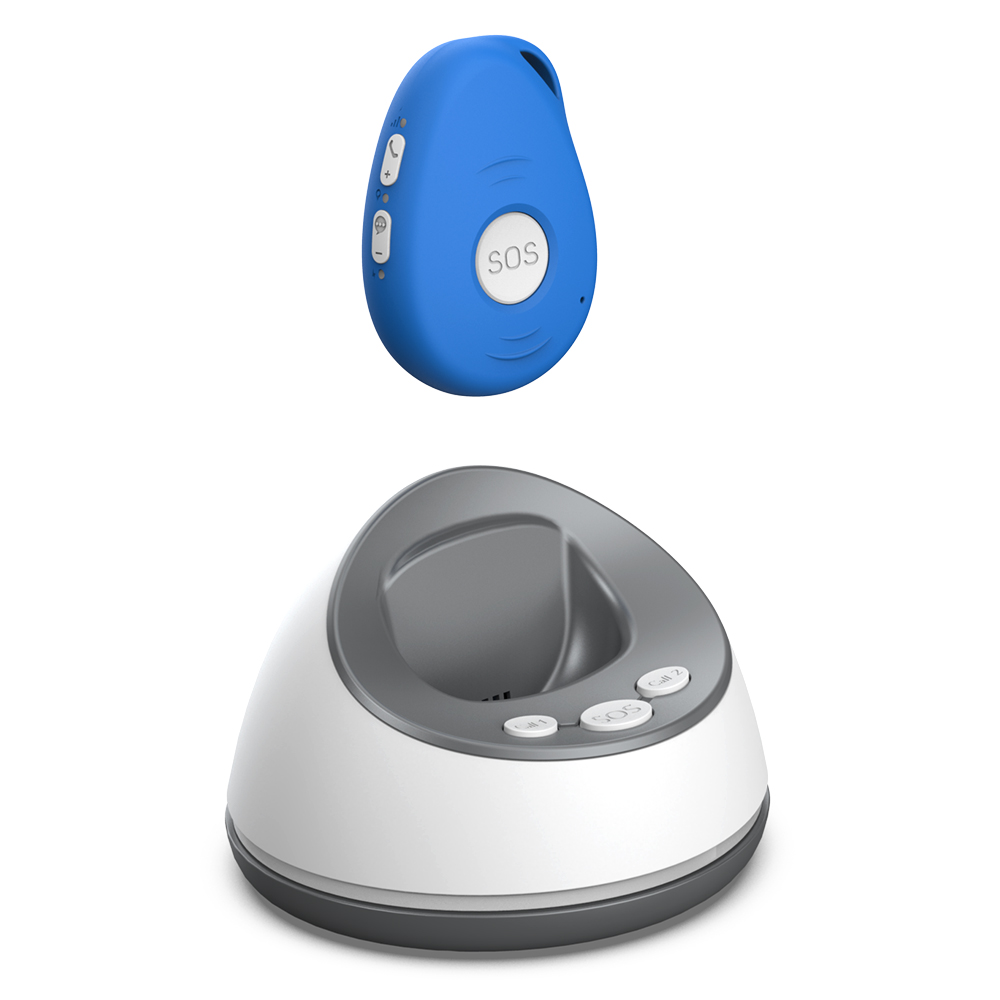
When you need to research options, a good starting point is to visit a site like familyr.co.nz that explains how wearable alarms work and what features matter most. The more you understand the technology, the better you can match it to your parent's real life.
Helping an older parent live independently is not about removing all risk. It is about reducing the biggest dangers while leaving room for them to live the life they want. With the right combination of a wearable alarm, a safe home, and open communication, you can give both of you the confidence to carry on.